Why the Charlotte Region Is a Strategic Market for 3PL Warehousing in North Carolina

If your business has outgrown self-managed warehousing, if you’re frustrated with your current 3PL, or if you’re simply evaluating North Carolina as part of a broader warehousing distribution strategy, the Charlotte region can offer real advantages. Your company can gain access to major markets throughout the Southeast while keeping inventory within reach of key transportation corridors.

However, the value comes down to how well a warehouse in the greater Charlotte region fits the way your freight actually moves.

Why Is North Carolina a Strong Supply Chain Location?

Before narrowing the conversation to the Charlotte region, it helps to look at North Carolina as a whole. The state continues to attract business investment because it offers a strong economy, a skilled workforce, and practical freight infrastructure.

North Carolina is currently ranked as the #2 state for business in America by CNBC, reflecting the state’s broader appeal for businesses looking to grow and operate long term. For your company, that can mean more than simply having a favorable place to do business. A strong business environment, growing markets, and access to a capable workforce can all support the operational side of a distribution strategy, particularly when you are evaluating a market where you expect your warehousing needs to grow over time.

For shippers, the state also offers a valuable combination of East Coast access, Southeastern reach, highway connectivity, freight rail, and port support. That gives you flexibility in deciding where to position inventory and how to move products to customers across multiple markets. Once you factor in those statewide advantages, the greater Charlotte region stands out as a particularly strategic market for 3PL warehousing.

Why does the Charlotte Region Work for 3PL Warehousing in North Carolina?

Once North Carolina makes the shortlist, the Charlotte area becomes one of the most strategic markets in the state. The region offers strong access to major freight corridors and puts many Southeastern, Mid-Atlantic, and lower Midwest destinations within practical next-day or second-day reach. For manufacturers and retailers trying to balance freight cost, service levels, and regional coverage, that flexibility matters.

The Charlotte region also benefits from a large logistics and manufacturing base, a deep labor market, and strong inland connectivity along the I-40 corridor. It also gives importers and distributors access to highway, rail, and port connections that can support broader distribution planning.

Charlotte also benefits from labor depth and inland connectivity. Compared with smaller North Carolina markets, the Charlotte area offers a larger pool of warehousing and logistics talent. It also gives importers and distributors more options through port and rail connections that support broader network planning.

What to Look for in a Charlotte-Area 3PL

A strong Charlotte-area 3PL should offer more than warehouse space. Your business should look for a provider with the right regional location, reliable inventory visibility, experienced personnel, and transportation coordination that supports the full operation.

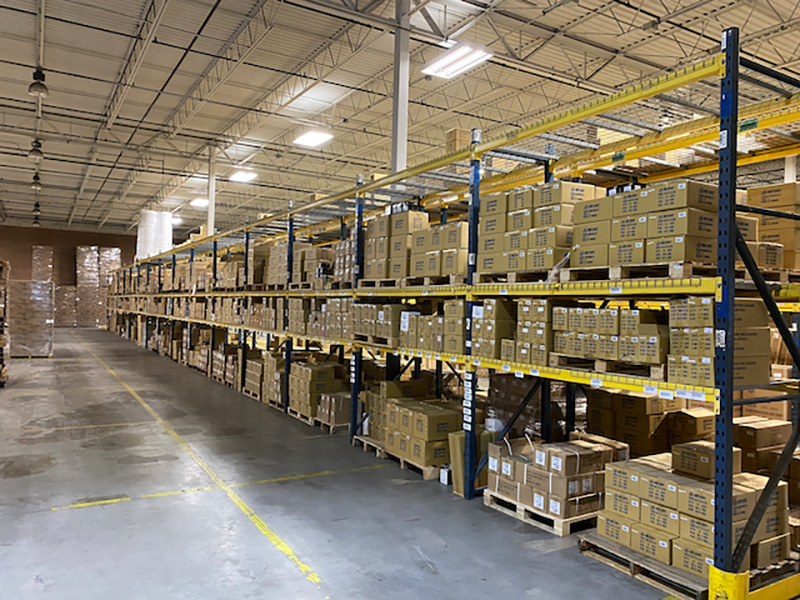
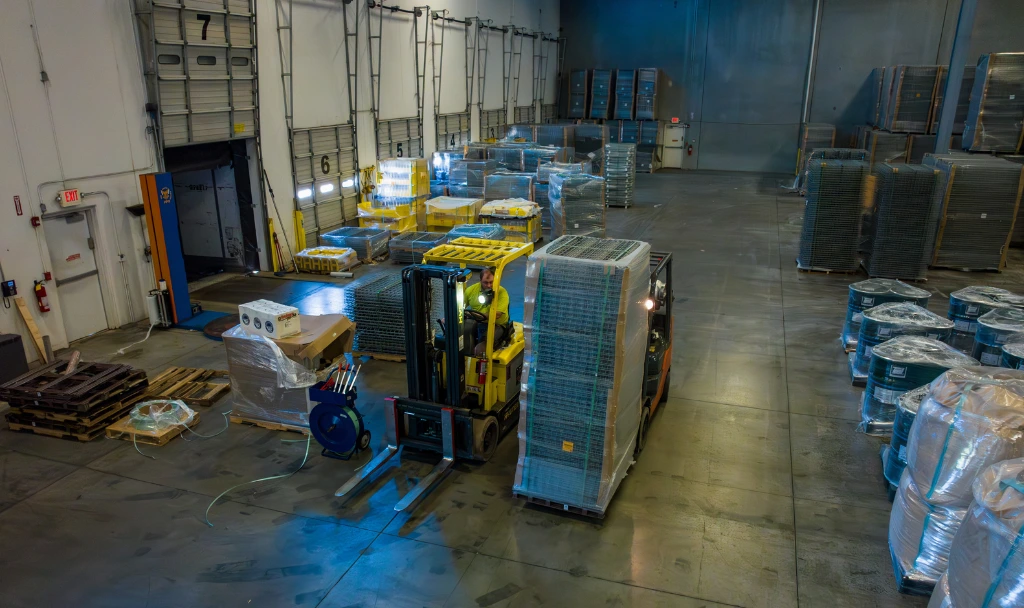
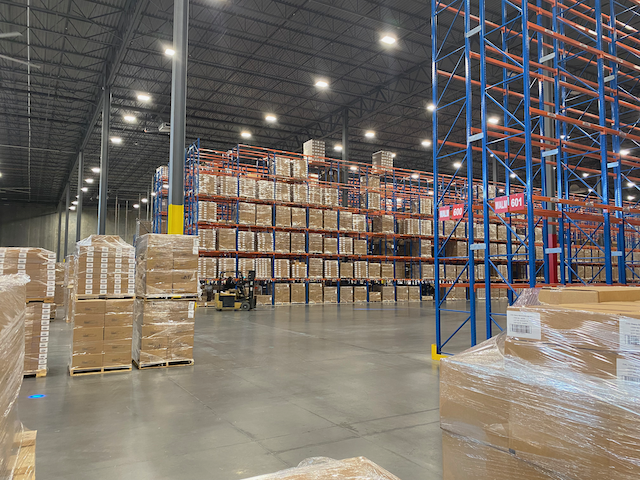
The warehouse itself should also match the freight being stored. Depending on your operation, that could mean food-grade or dry storage, specialized handling, inventory management, fulfillment, or other services. The right fit depends on what your business needs its 3PL to handle.

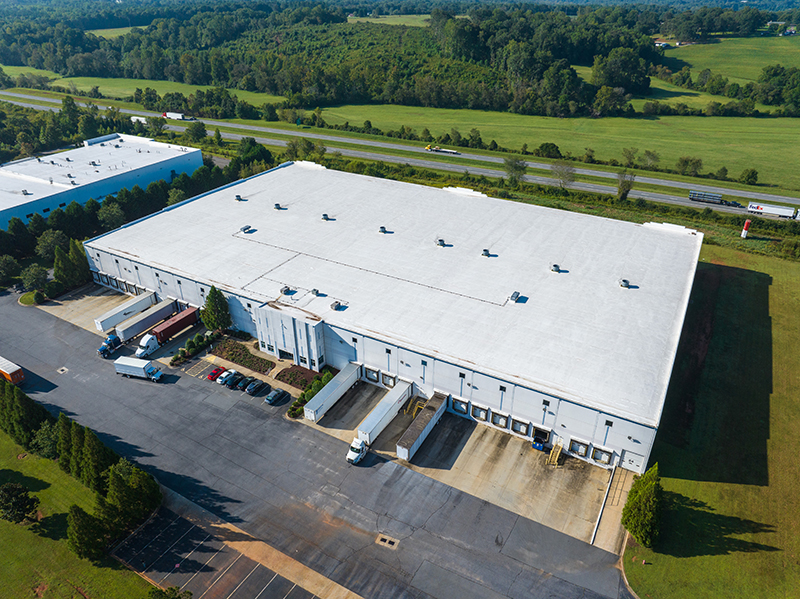
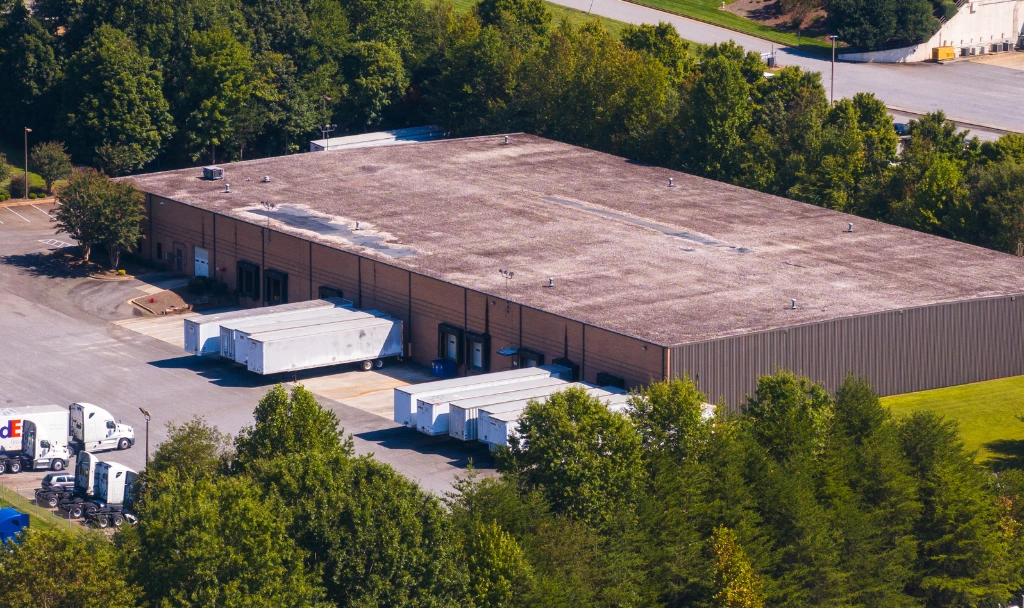
That is especially important in this market because “Charlotte area” can mean very different things in practice. A warehouse that supports your freight flows, plant schedules, and customer commitments is more valuable than a location that only sounds good on paper. For many companies, the best fit is not a site deep inside Charlotte, but a greater-Charlotte location that offers regional access and supports the day-to-day movement of inventory.

Find a North Carolina 3PL That Fits Your Operation

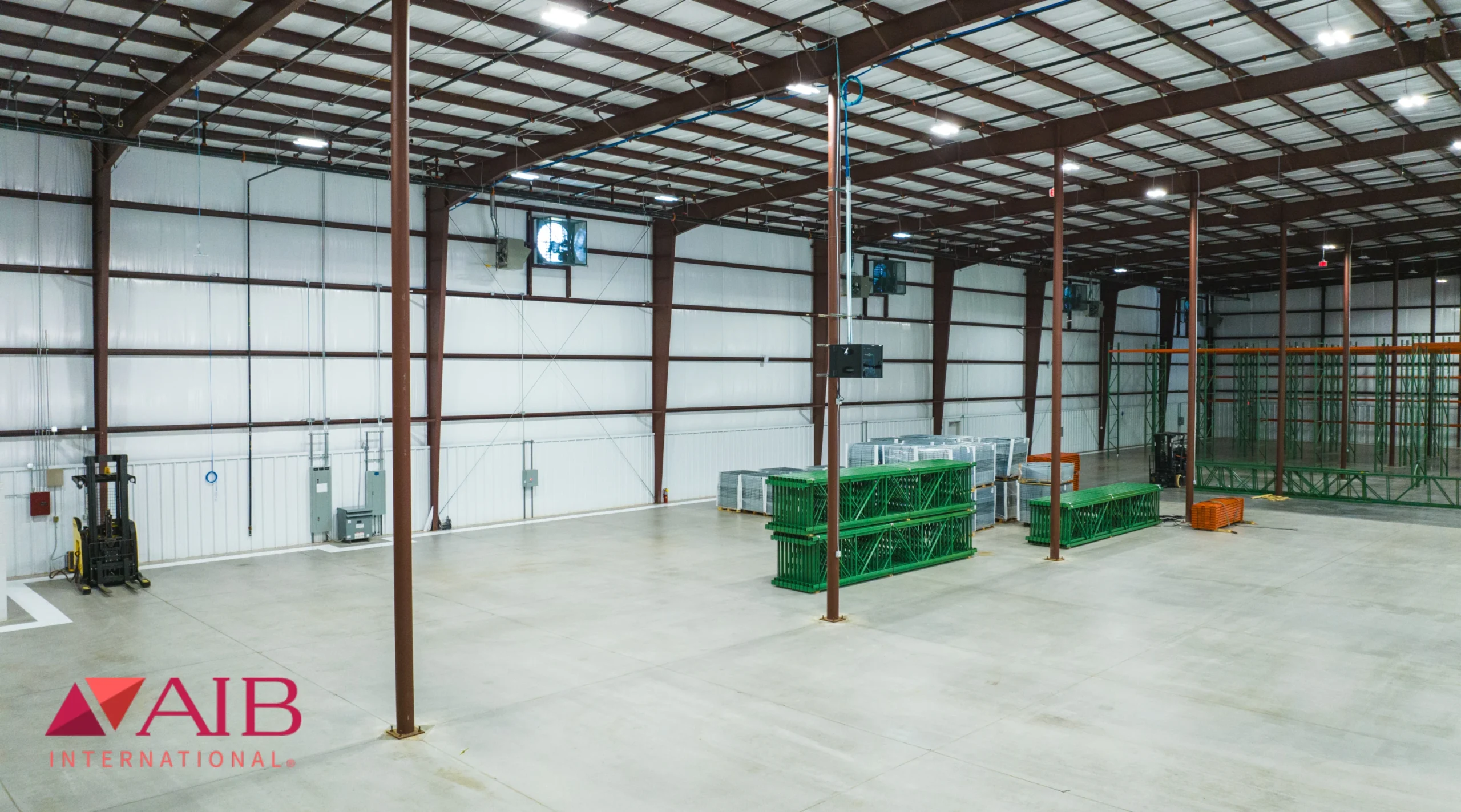
If your business is evaluating 3PL warehousing in North Carolina, the goal is not just to find available space. It is to find a partner that fits your freight, your timelines, and your growth plans. Cargo Integrated Logistics supports companies in the greater Charlotte market with warehousing (including AIB certified food-grade storage), transportation coordination, inventory visibility, and flexible logistics support based on each operation’s needs.

For warehousing in the Charlotte area, reach out to Cargo Integrated Logistics to discuss your storage and distribution needs.
Continue Reading

cargo-integrated-logistics-blog-north-carolina-manufacturing-growth-is-driving-warehouse-demand

North Carolina Manufacturing Growth Is Driving Warehouse Demand

North Carolina logistics demand is being set right now by factory announcements rather than by freight cycles. In August, Governor Josh Stein announced that Prysmian will invest more than $1 billion at its Claremont plant in Catawba County, adding 385 jobs and 975,000 square feet for a new glass production facility and doubling fiber optic […]
ctpat-certification-at-cargo-integrated-logistics-north-carolina-warehouses-scaled

CTPAT Certification at CIL’s North Carolina Warehouses

Food-grade warehousing in North Carolina now carries a federal security credential at Cargo Integrated Logistics. CTPAT, or the Customs Trade Partnership Against Terrorism, is the U.S. Customs and Border Protection program that vets companies against a published set of supply chain security requirements. CBP opened the program to third-party logistics providers for the first time […]

Specialized Warehouse Storage in the Carolinas for Oversized, Unique, and Delicate Freight

Some freight fits a standard rack and moves through the building without a second thought. Other freight, from vinyl siding to machinery carrying a half-million-dollar insurance value, takes equipment and planning. Cargo Integrated Logistics walks through what it stores, what it hands to a specialist, and how the Customer Supply Chain Profile settles the details before anything reaches the dock.
AIB certified food grade warehousing facility near Charlotte

Custom Food-Grade Warehousing in Charlotte, North Carolina

When a growing customer needed more certified space, Cargo Integrated ran a separation curtain front to back through its Conover warehouse to carve out a compliant food-grade section that did not exist a month earlier. It is the kind of flexibility standard warehouses cannot match, backed by SKU-and-lot-code tracking most 3PLs cannot offer and a 975/1,000 AIB audit score.
North Carolina logistics professionals at the 2026 NCLTL Annual Conference in Myrtle Beach, South Carolina.

NCLTL 2026 Annual Conference: A Recap from Cargo Integrated Logistics

The North Carolina League of Transportation Logistics has been gathering freight, warehousing, and 3PL professionals in this state for nearly a century. At this year's conference in Myrtle Beach, five speakers covered current events across the freight market, including tariffs, capacity shifts, and economic conditions.
Aerial view of a food grade warehouse facility in the Charlotte region with truck docks and secure trailer parking

CIL Earns Near Perfect AIB Score at Its NC Food Grade Warehouse

CIL scored 975 out of 1,000 on its latest AIB audit, with perfect marks in operational methods and cleaning practices and zero serious findings.
Exterior of 3PL warehouse in Charlotte NC

What Amazon’s Supply Chain Move Means for NC 3PLs

Amazon's launch of Supply Chain Services opens its freight and fulfillment network to any business. For food-grade manufacturers along the I-40 corridor in North Carolina, the real question isn't whether Amazon changes the market — it's whether a national platform can meet the compliance and regional demands that specialized 3PLs like CIL are built for.
Cargo Integrated Logistics 3PL warehouse and food grade warehousing facility in Charlotte, North Carolina

Why Manufacturers Are Moving to Charlotte and What It Means for 3PL Warehousing in North Carolina

The demand for 3PL warehousing and warehouse distribution capacity across Charlotte and North Carolina is growing faster than most people expected. The tariff conversation has dominated business headlines for months, and while most coverage focuses on cost pressures and supply chain disruption, a different story is taking shape on the ground here in Charlotte. Reshoring […]
Mark Andrews, President of Cargo Integrated Logistics, logistics company in Hickory, North Carolina.

Cargo Integrated Logistics Names Mark Andrews as President

Hickory, NC — Cargo Integrated Logistics, Inc. (CIL), is pleased to announce the promotion of Mark Andrews to President of Cargo Integrated Logistics in Hickory, North Carolina. Andrews, an industry veteran with more than 45 years of experience in transportation and logistics, joined Cargo Integrated Logistics in 2013 as Vice President of Logistics Solutions. During […]
Cargo Integrated Logistics at FreightWaves National Roadshow Charlotte NC 3PL warehouse event

Charlotte 3PLs Took Center Stage at the FreightWaves Roadshow

As Co-Executive Director of the N.C. League of Transportation & Logistics, Mark Andrews of Cargo Integrated Logistics had the opportunity to open the day and welcome attendees to the FreightWaves National Roadshow to Charlotte earlier this year.  The Roadshow did not stop in Charlotte by accident. Charlotte has become one of the most consequential logistics […]