Cargo Integrated Logistics is facing new competition in North Carolina food-grade 3PL warehousing. Amazon officially launched Amazon Supply Chain Services (ASCS) on May 4, 2026, opening its freight, fulfillment, and parcel shipping network to businesses outside its own marketplace. For the first time, manufacturers in healthcare and food production can plug into the same logistics infrastructure Amazon built for itself. Understanding what that actually offers matters for manufacturers evaluating their options.
Amazon Supply Chain vs. a Charlotte NC 3PL
Amazon’s model is built for scale and standardization. The ASCS offering combines freight, bulk warehousing, and last-mile delivery into one automated, centralized system. Early adopters include Procter & Gamble and 3M. For large enterprises with relatively straightforward distribution needs, the bundled model has clear appeal. For manufacturers with food-grade compliance requirements and regional distribution windows, the fit is less obvious.
Why Food-Grade Warehousing in the Carolinas Requires More Than a Platform
Analysts at Bernstein noted that for large enterprise shippers, the bundled model is unlikely to gain traction because requirements tend to be too bespoke, and the cost of a one-size-fits-all solution often exceeds that of a purpose-built supply chain. That applies directly to food-grade warehousing in the Carolinas. Manufacturers along the I-40 corridor need a partner who understands food-grade compliance, regional freight lanes, and the operational details a national platform won’t prioritize.
CIL’s Position Along the I-40 Corridor
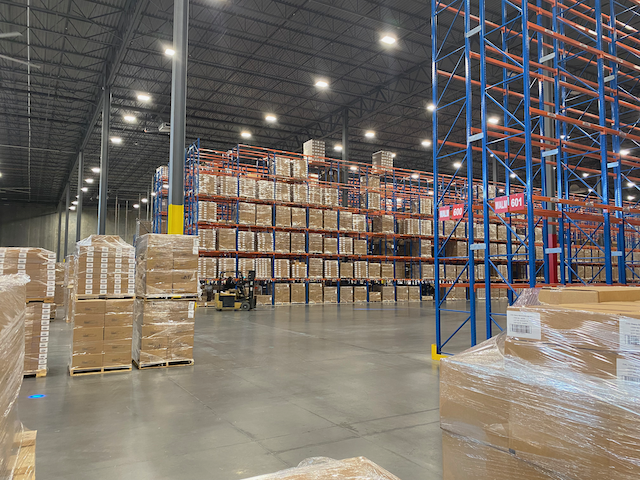
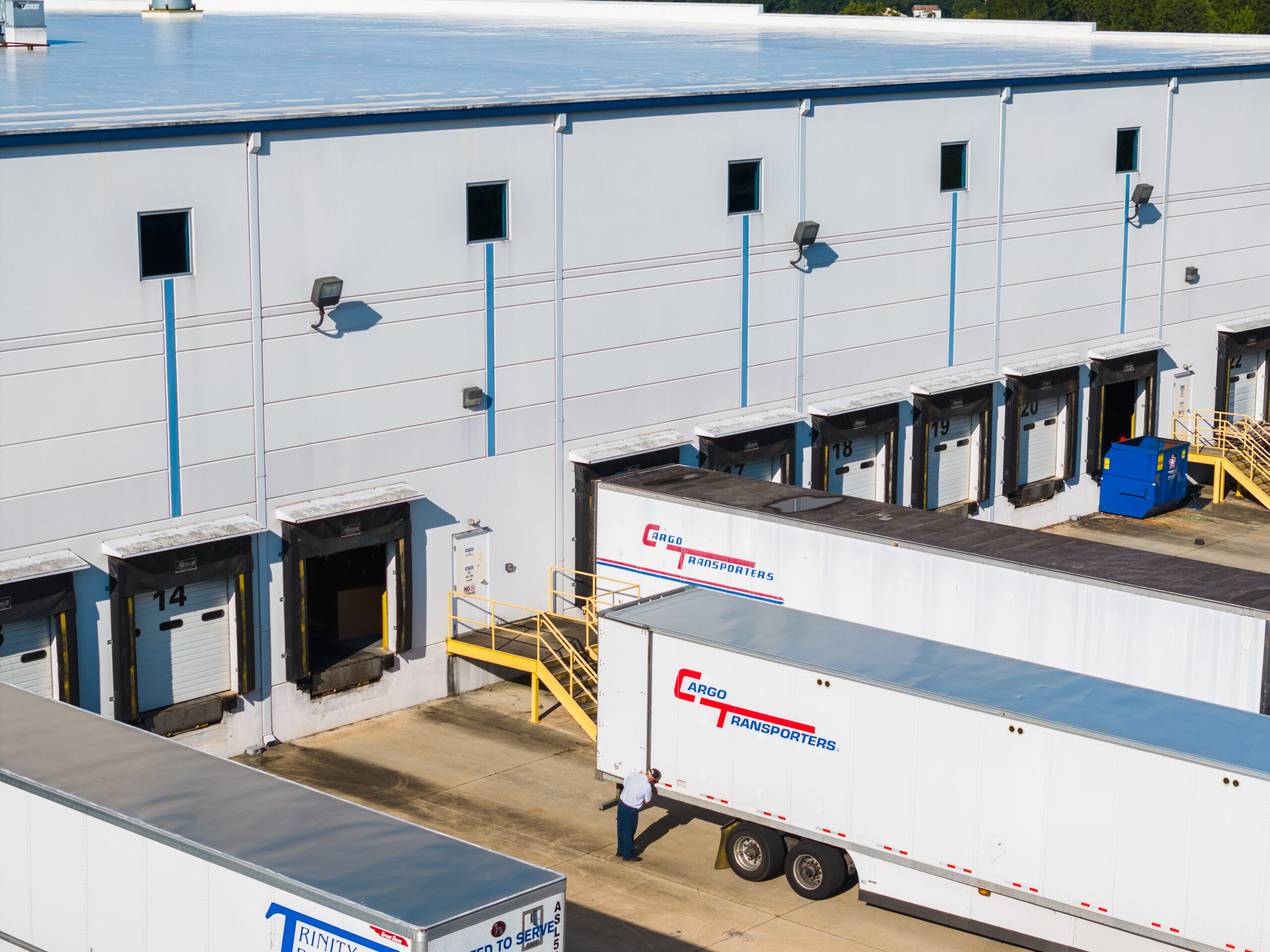
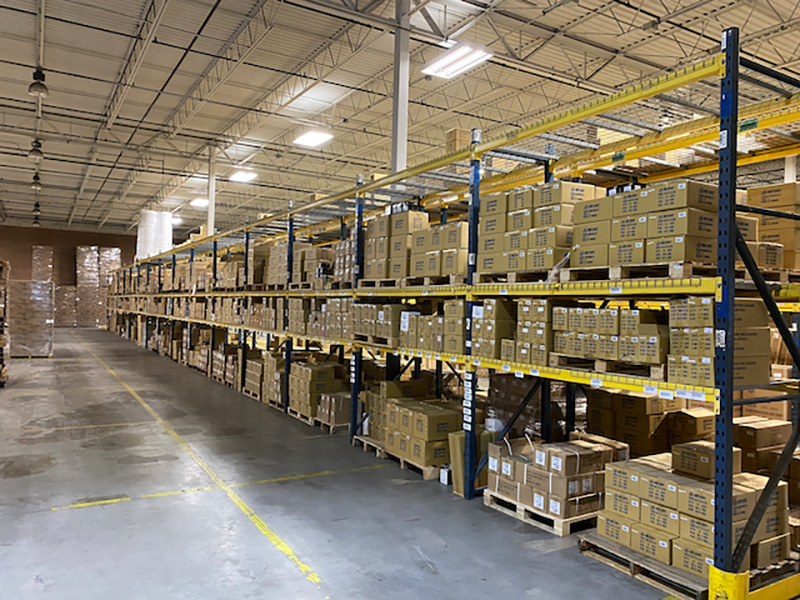
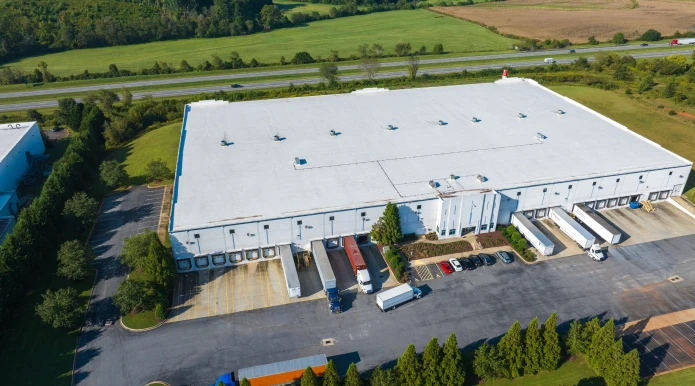
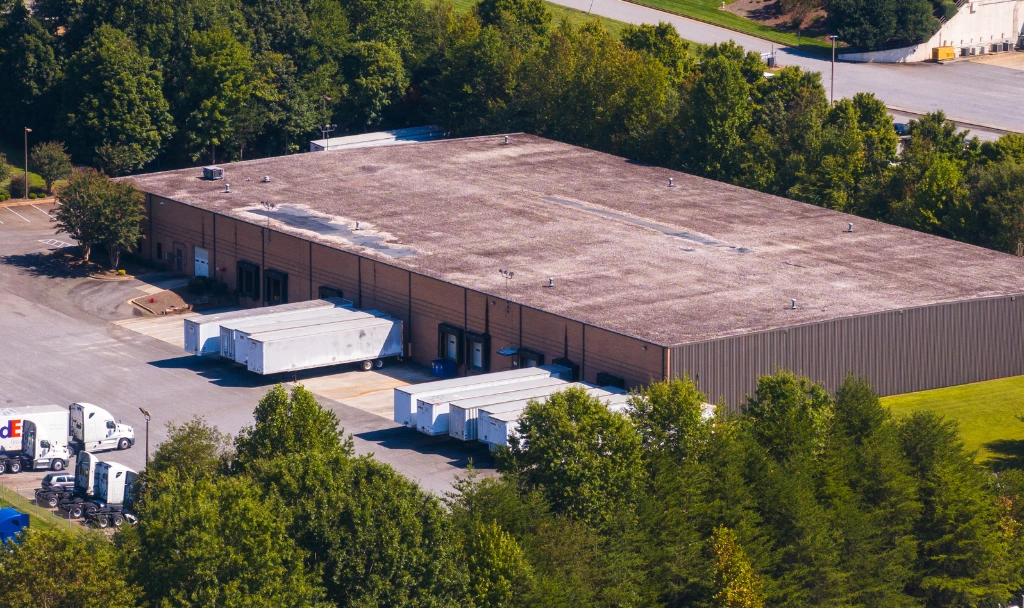
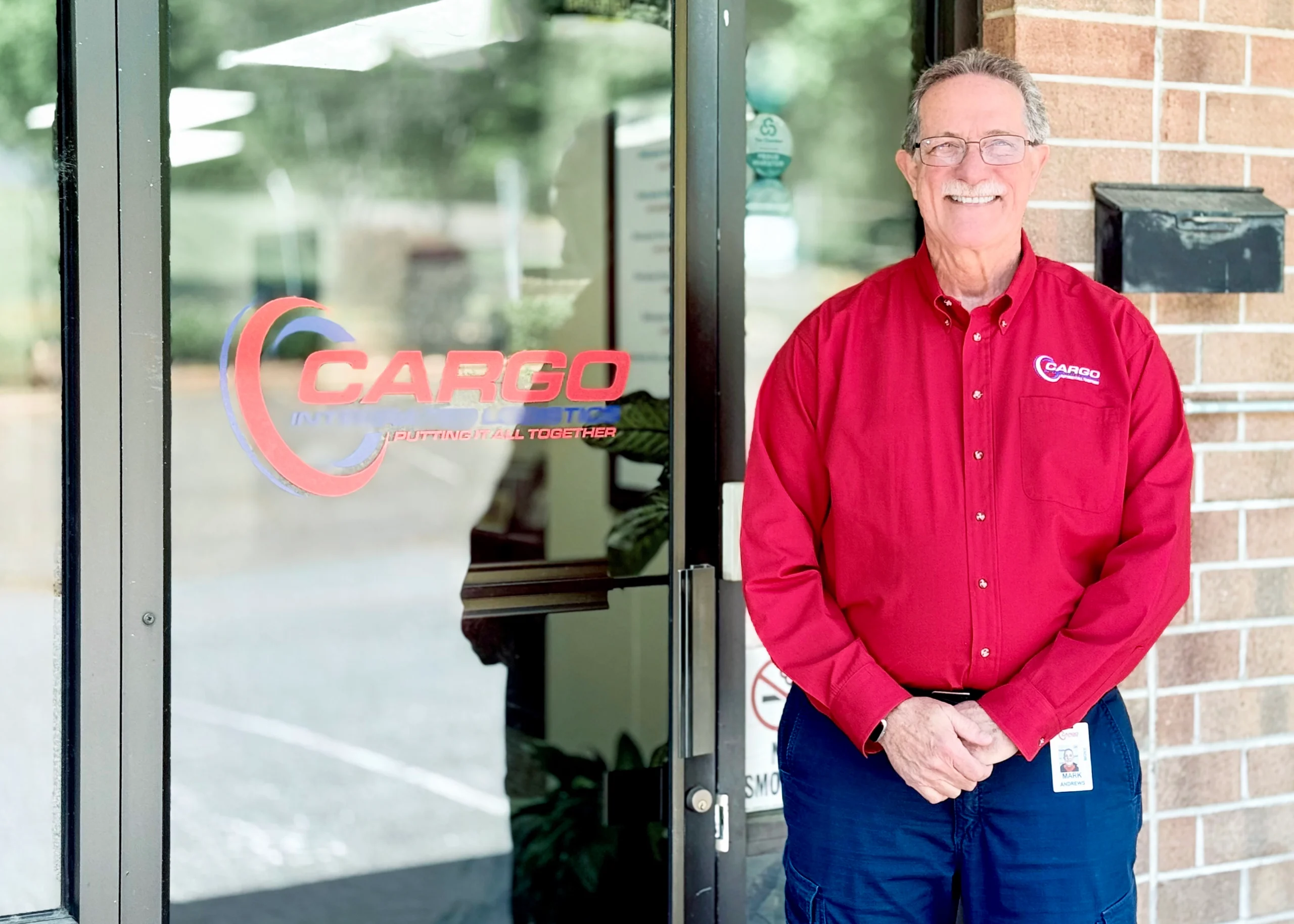
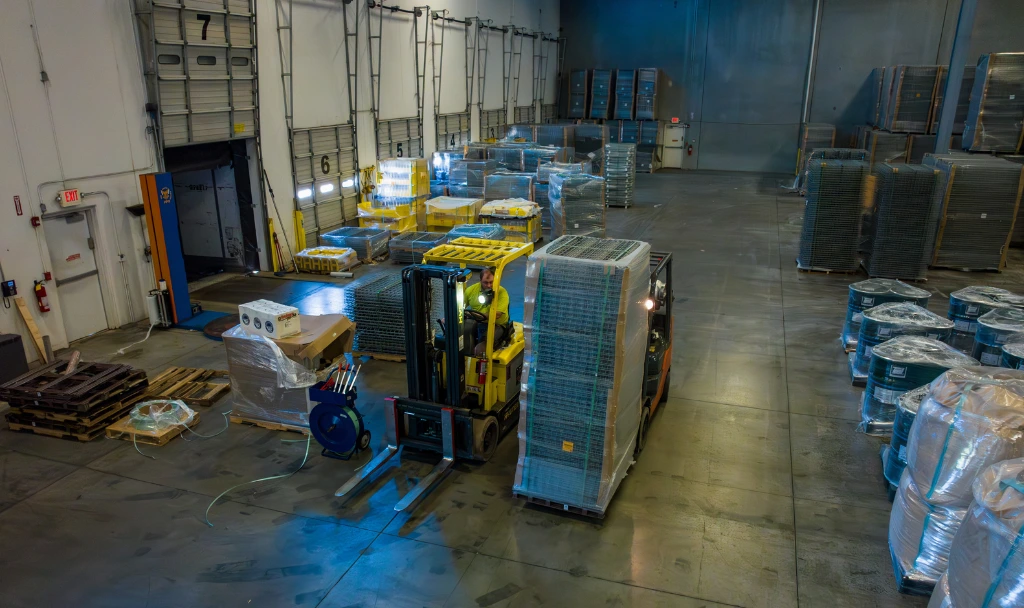
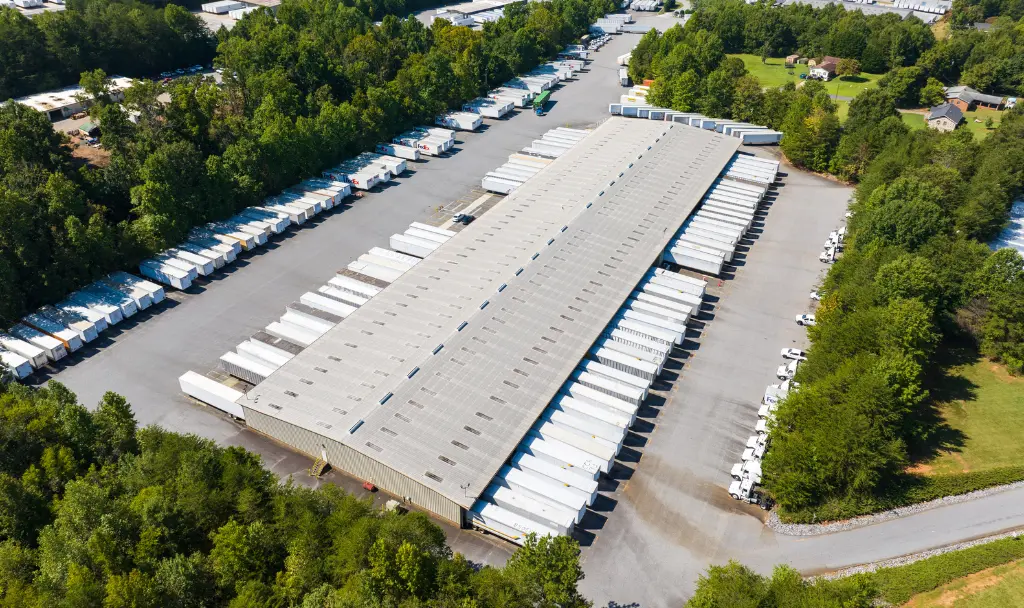
Cargo Integrated Logistics has built its operation around exactly that kind of specificity. With food-grade warehousing in Conover and Lincolnton, NC, CIL sits at the center of one of the Southeast’s most active freight corridors. The I-40 connects manufacturers across western North Carolina to Charlotte, Raleigh, and beyond. “We’re one-on-one,” says Mark Andrews, President of CIL. “You call, we jump.” That’s a different operating model than a platform built on automation and scale, and for manufacturers with compliance requirements and regional distribution needs, the difference matters.
What This Means for Charlotte NC Manufacturers Evaluating Their 3PL Options
Amazon’s entry into third-party logistics will reshape parts of the industry, and some shippers will move toward the bundled model. Manufacturers with food-grade requirements and compliance obligations will continue to need partners who specialize. For businesses in Charlotte and across the Carolinas, the question isn’t whether to pay attention to ASCS. It’s whether their current logistics setup is built for the specificity their product demands. Contact Cargo Integrated Logistics today to learn more.