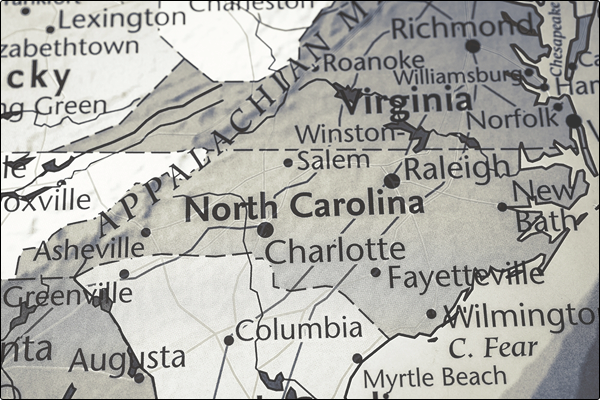
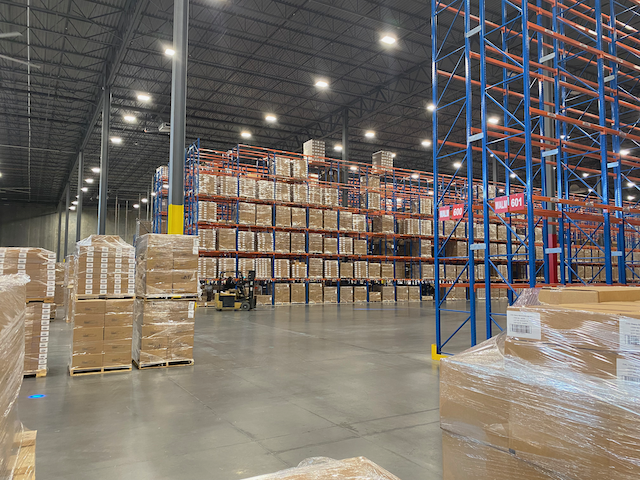
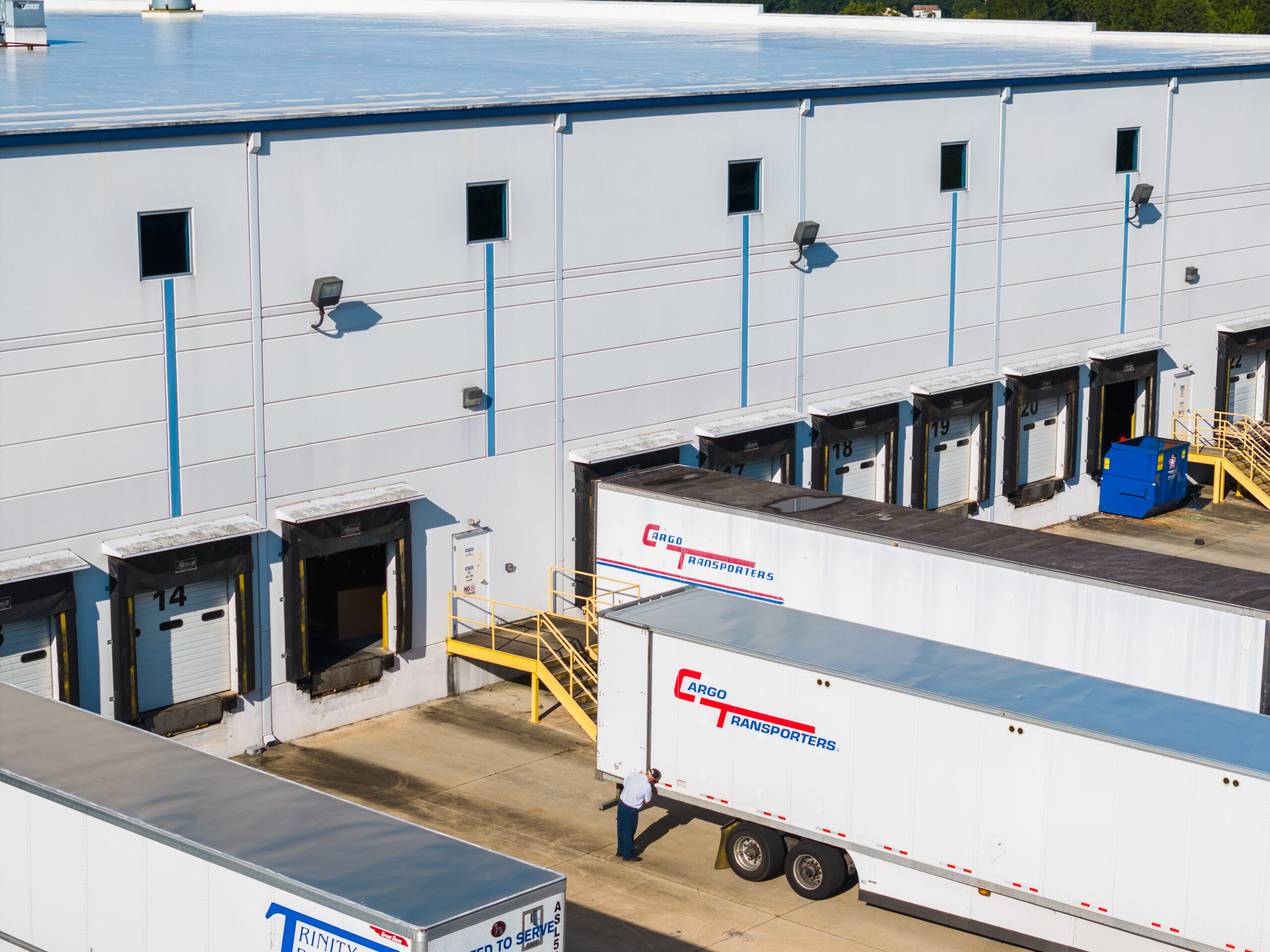
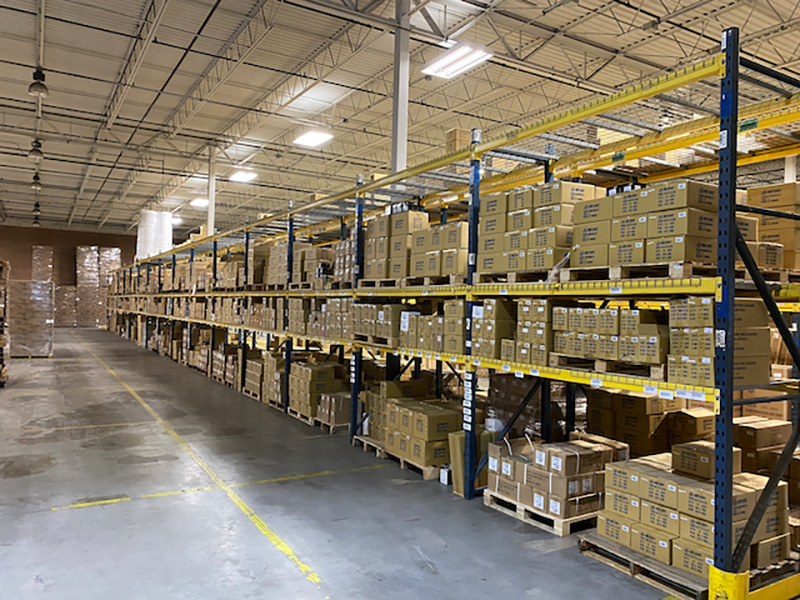
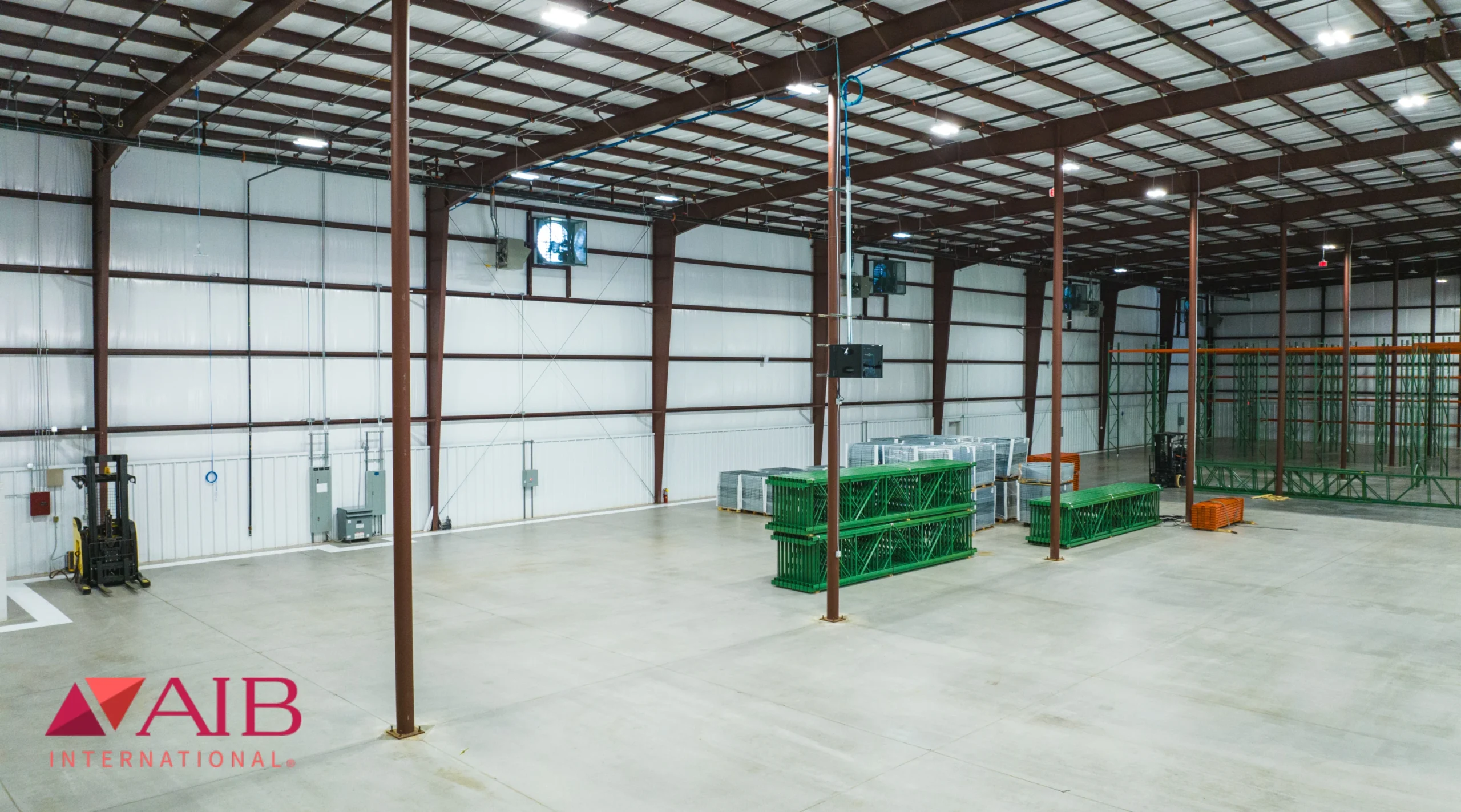
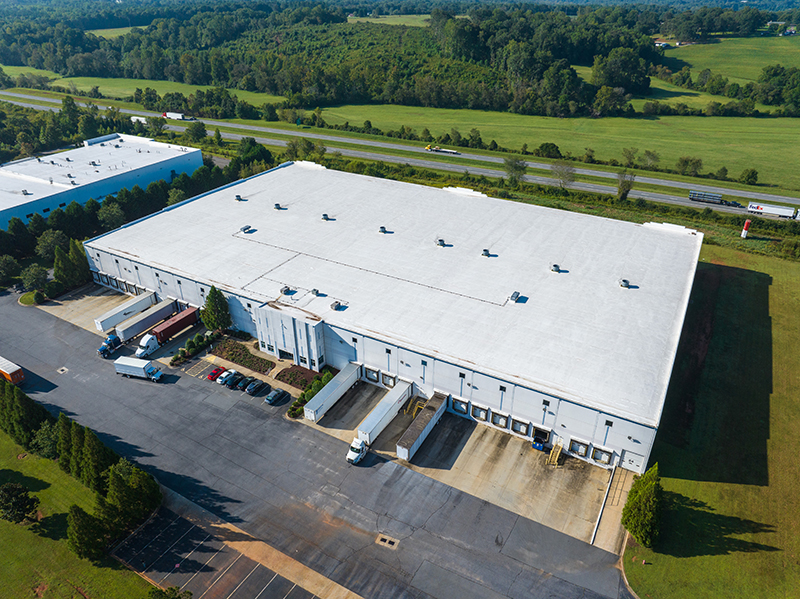
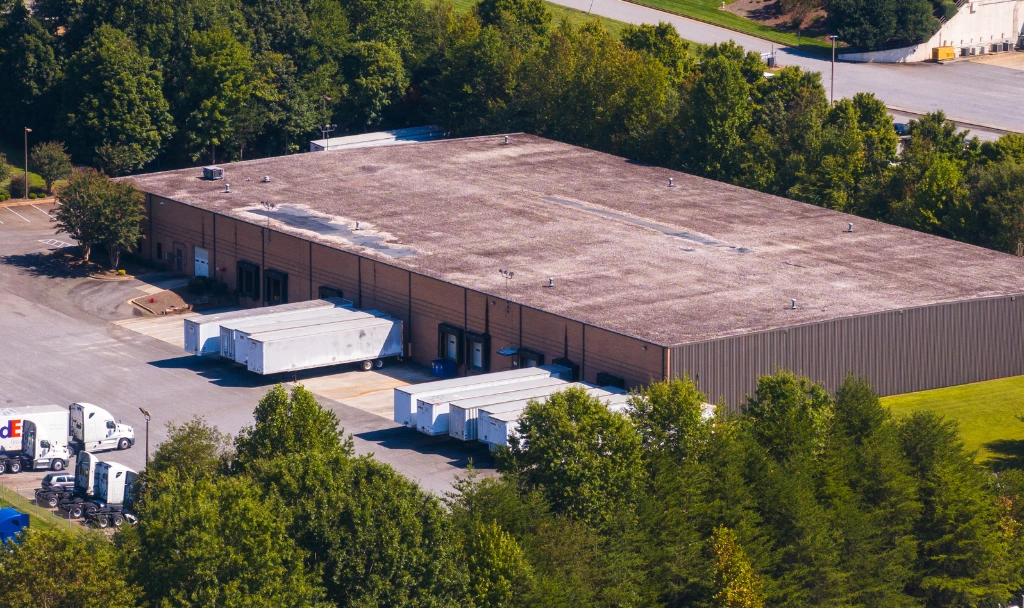
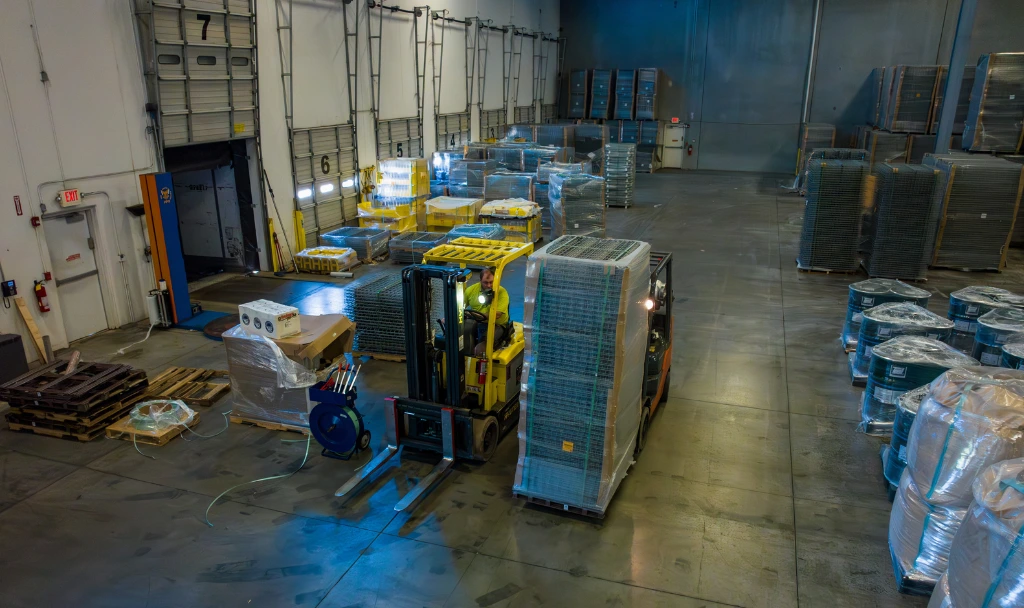
Cargo Integrated Logistics scored 975 out of 1,000 on its most recent AIB food safety audit at its food-grade warehouse in Conover, North Carolina. AIB International, a food safety auditing organization with more than 60 years in the field, inspects facilities against its Consolidated Standards for Food Distribution Centers and scores them across five categories. A passing score is 700. CIL came in at 975, the best result in the company’s history.
What the AIB Audit Measures for a Food Grade Warehouse
The AIB inspection is a scored GMP review conducted on site over one to two days. It pairs a physical walk-through of the building with a review of written food safety programs across five categories: operational methods and personnel practices, maintenance for food safety, cleaning practices, integrated pest management, and the food safety program itself. Each category carries 200 points. CIL earned perfect 200-point marks in operational methods and personnel practices and in cleaning practices, with only minor observations noted in the rest. Facilities in the top quarter of their category earn AIB’s highest recognition, and 975 sits near the top of the scale.
A Spotless 3PL Warehouse in North Carolina
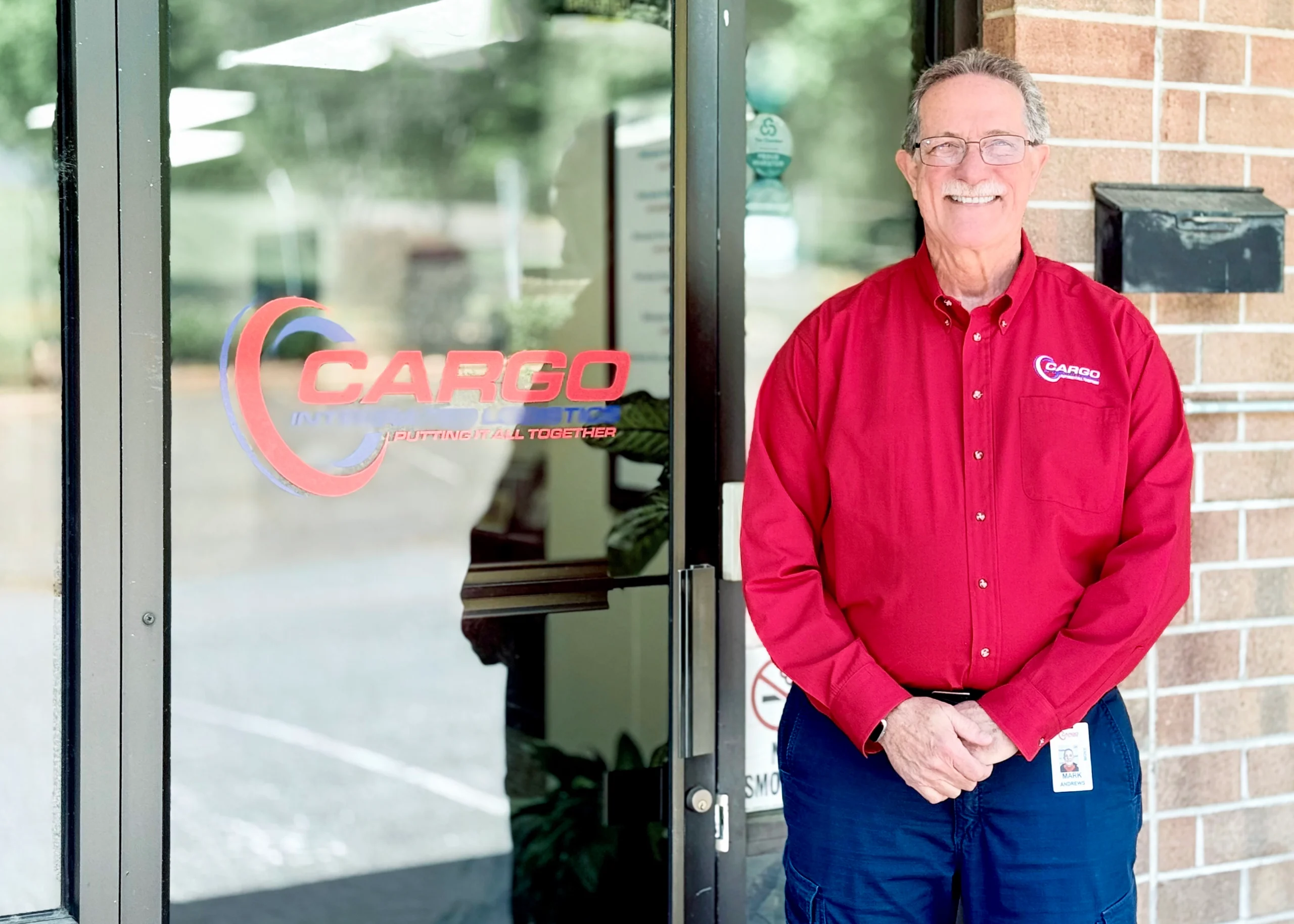
Food grade warehousing in Conover sits along the I-40 corridor, one of the Southeast’s busiest freight lanes. A 975 reflects daily discipline, not a one-week cleanup before the inspector shows up. The audit recorded zero serious findings and zero unsatisfactory findings across the entire facility. “It’s spotless,” says Mark Andrews, President of CIL. “They’ve been working at it, and it shows.” The result belongs to the whole team in the building.
Why Your Food Grade Warehouse’s AIB Score Is Worth Asking About
A high AIB score is one of the clearest signals a manufacturer has when comparing food-grade 3PLs. It shows how a facility runs between audits, not how it presents in a sales meeting. For companies moving food products and packaging through North Carolina, a 975 backs up the compliance their own customers expect further down the supply chain.