When you’re comparing food-grade warehousing, an inspection score can be a useful starting point, but it is easy to read too much into one number. A strong score tells you how a facility performed against defined food-safety standards during an inspection. It does not, by itself, tell you whether the warehouse fits your product, customer requirements, or day-to-day operating needs. It also helps to understand how food-grade warehousing can be configured around a customer’s product and volume needs.
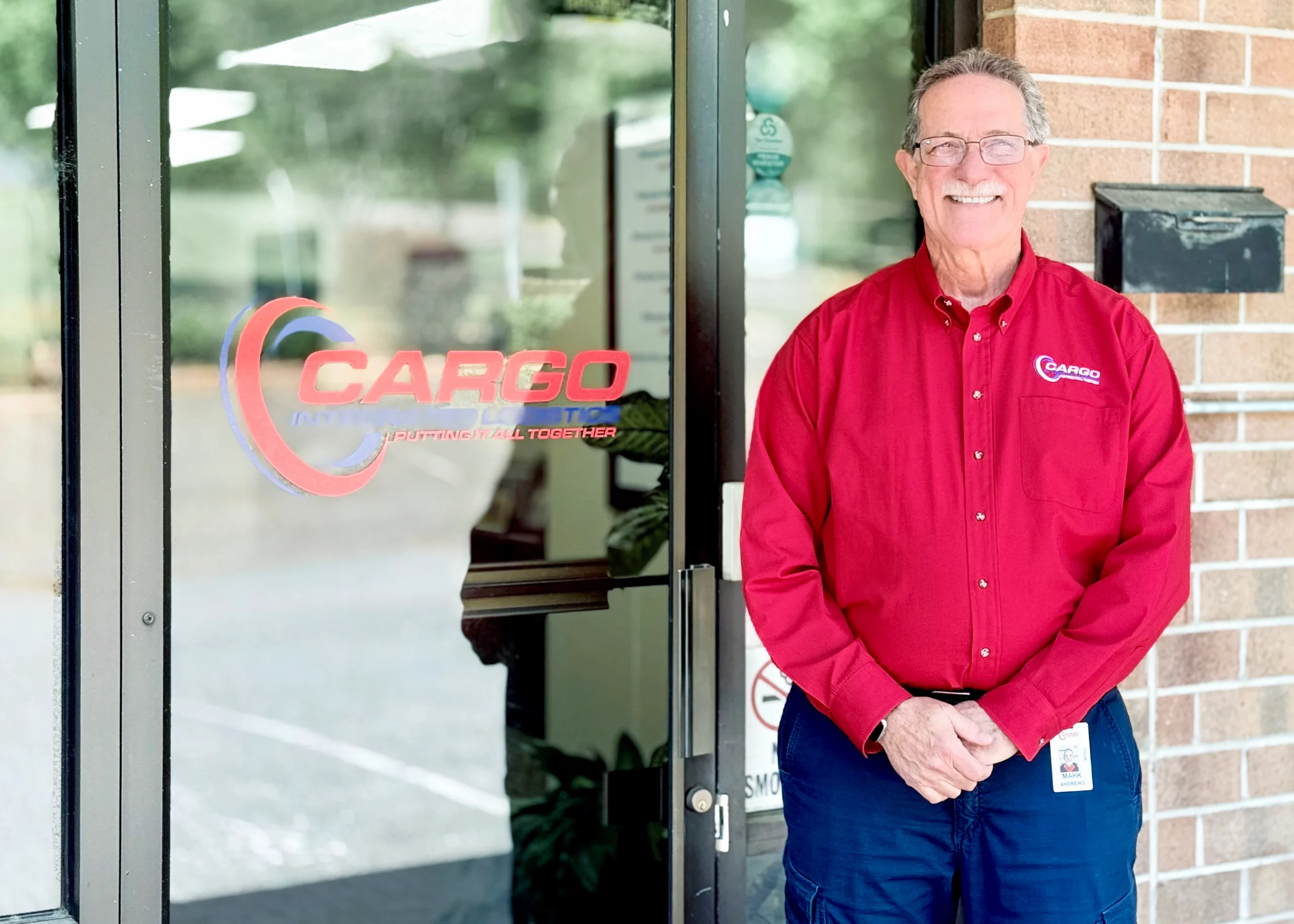
Cargo Integrated Logistics recently reported a score of 975 out of 1,000 on its latest AIB International food-safety inspection at its Conover, North Carolina, warehouse. The score earned a “Superior rated” distinction, a recognition associated with performance among the top quarter of facilities in its business category. Here’s what that result means, what it doesn’t mean, and what to ask when you’re evaluating food-grade storage.
How does an AIB score measure a food-grade warehouse?
AIB International’s Consolidated Standards for Food Distribution Centers give facilities a structured way to assess good manufacturing practices and food-safety programs. An inspection looks beyond a polished warehouse tour. It considers conditions and practices observed on the floor, along with whether written programs support those practices.
The inspection evaluates five areas with each category contributing to a total score out of 1,000:
- operational methods and personnel practices
- maintenance for food safety
- cleaning practices
- integrated pest management
- adequacy of prerequisite and food-safety programs
A score is useful because it gives shippers more than a general assurance that a facility is “clean” or “food safe.” It reflects an outside inspector’s assessment against defined criteria.
What doesn’t an AIB score tell you about a warehouse?
An AIB score is a snapshot of a facility’s performance on the inspection date and within the scope inspected. It is not a promise that no issue can arise later, and it does not automatically mean a facility meets every customer’s supplier standard or product-specific requirement.
It also helps to use the right word. People often call an AIB result a “certification,” but the inspection score and recognition should not be confused with regulatory approval or a certificate of compliance. A high score is evidence of strong performance against the inspection standard at that time, but it is one part of due diligence, not a substitute for your own supplier approval process.
How is FDA registration different from an AIB inspection?
FDA food-facility registration is a federal requirement for many facilities that manufacture, process, pack, or hold food for consumption in the United States, unless an exemption applies. Under the Food Safety Modernization Act (FSMA), covered facilities must renew registration every other year and allow FDA inspection as permitted by law. Cargo Integrated Logistics is registered with the FDA and states that it operates in compliance with federal regulations under FSMA.
Registration is not the same as FDA approval or endorsement. The FDA explains that it does not issue a certificate of registration or certify a facility’s products simply because a facility is registered.
For a shipper, that distinction matters: FDA registration and an AIB inspection answer different questions, and neither replaces checking that a 3PL’s processes fit your product and your customers’ requirements.
How do you match food-grade storage to your product requirements?
Food-grade storage can include packaged foods, dry ingredients, and packaging that will be used with food. Each comes with different handling considerations: shelf-stable pouch meals, dry mixes, and food-contact packaging may all require clean, organized storage, while sensitive products can have additional temperature, segregation, or odor-control requirements. A provider’s fit depends on the exact product and its storage conditions.
That distinction is worth making early. A warehouse can have a strong inspection result and still be the wrong choice if your goods need temperature control, a particular segregation plan, lot-level records, or handling procedures the provider cannot support. Before you compare quotes, describe the product, packaging, storage conditions, inventory controls, and any customer or audit requirements the warehouse must meet.
What should you ask a food-grade warehousing provider?
When a provider shares an AIB result, ask for the date and scope of the inspection, the category scores and findings, and how corrective actions were handled. Then move from the audit to your operation:
- Is the building ambient, refrigerated, or frozen?
- What product types and packaging does it handle?
- How are inventory, lot codes, and customer-specific requirements managed?
- What information will your team be able to see, and how will the warehouse coordinate with your transportation plan?
Those answers help you judge whether a food-grade warehouse can support your actual supply chain, not just whether it has an impressive number to put in a proposal.
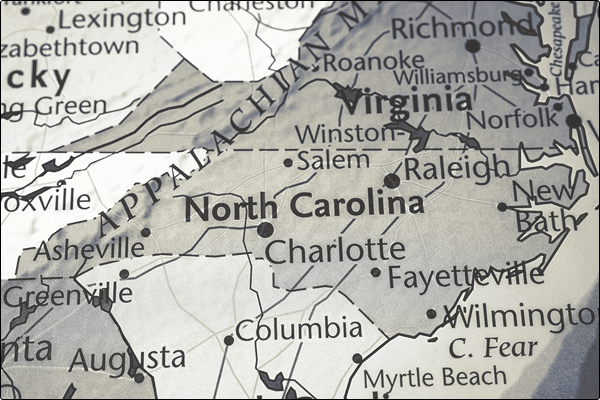
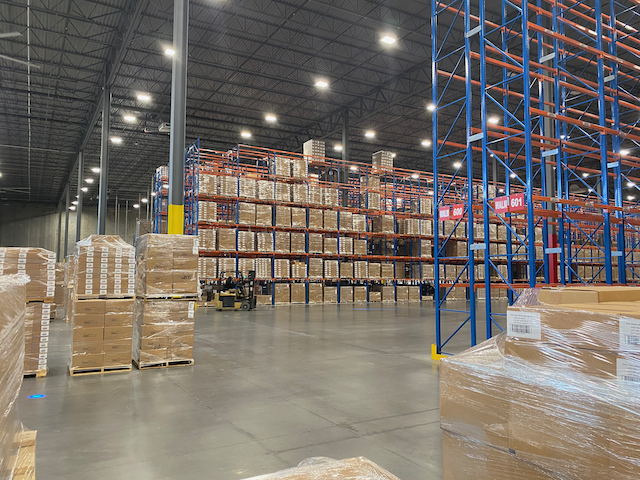
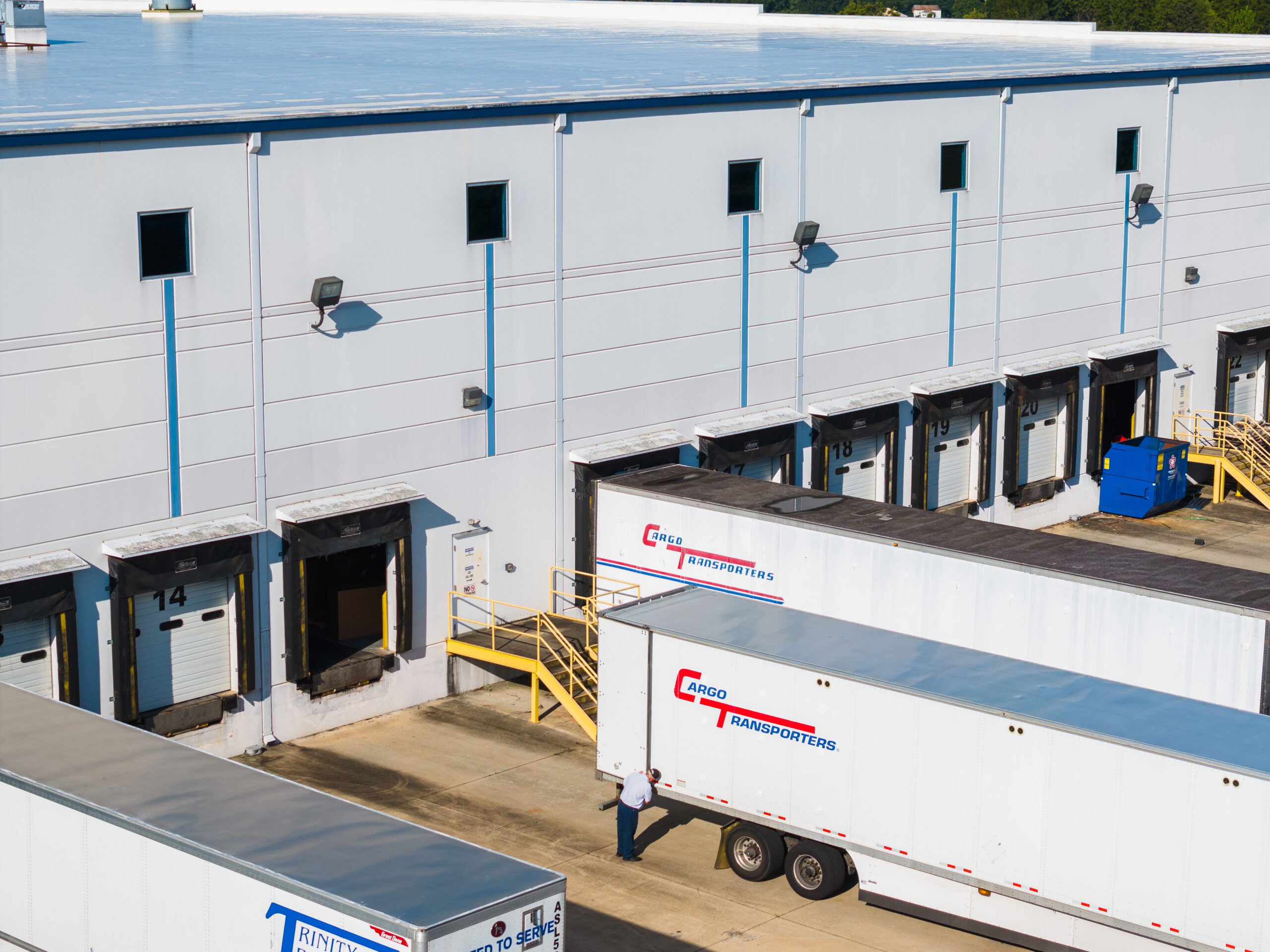
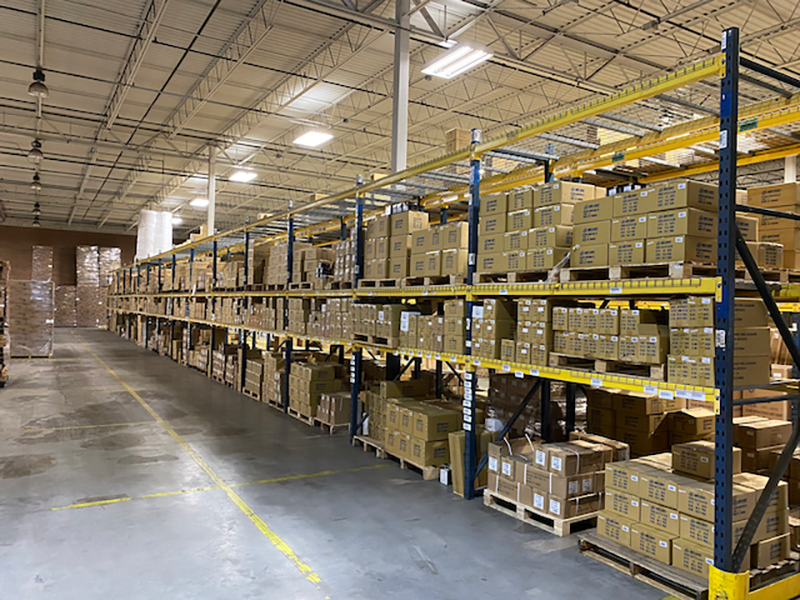
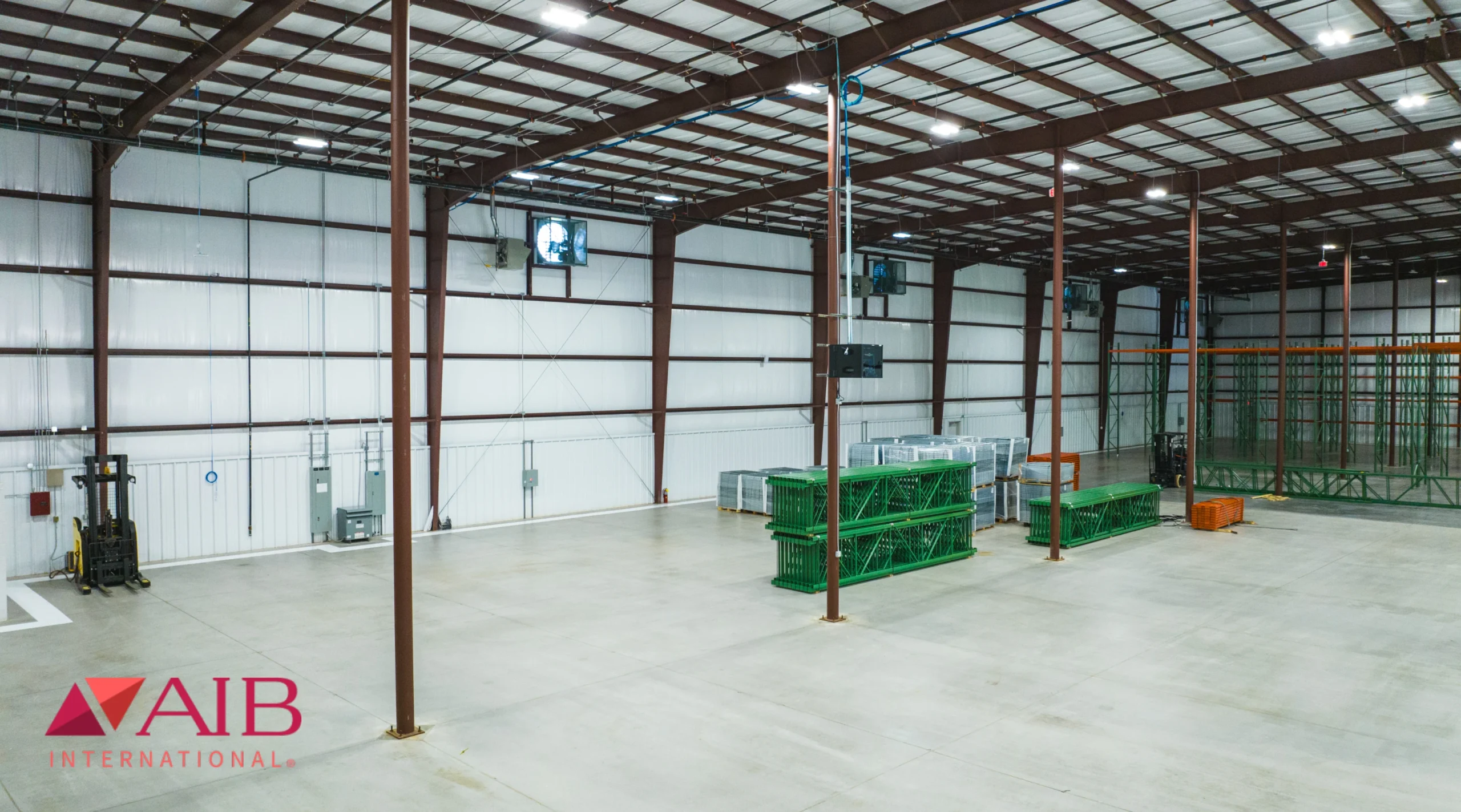
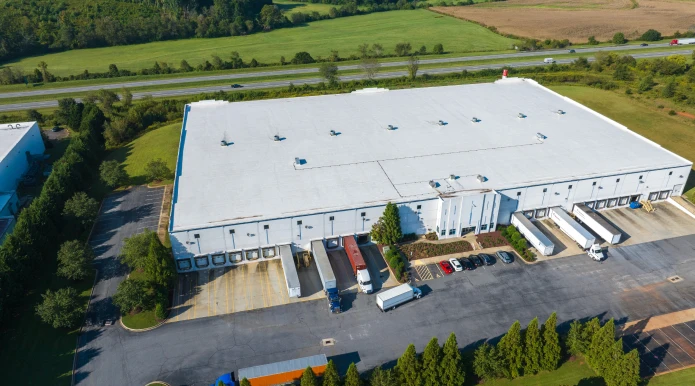
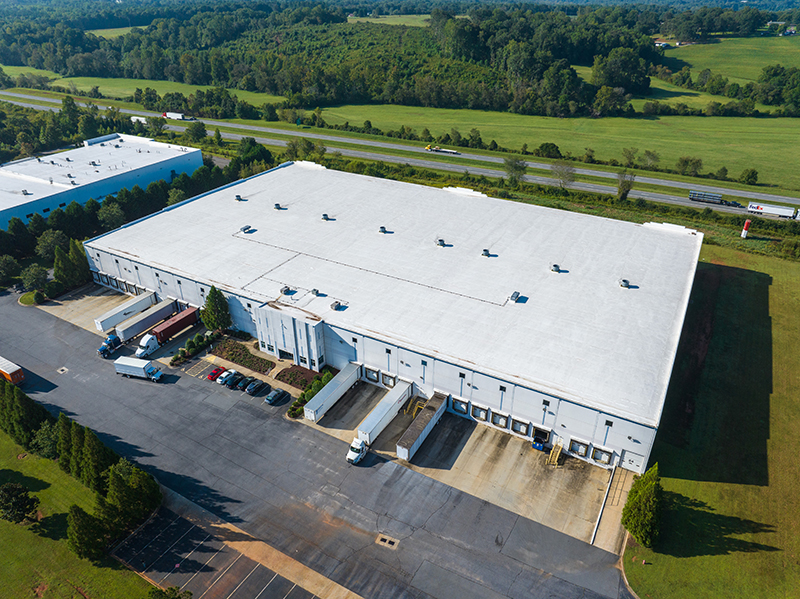
Cargo Integrated Logistics has more than 420,000 square feet of overall warehouse space, including 115,000 square feet dedicated to AIB food-grade warehousing. Its Conover location gives manufacturers and food-related businesses in western North Carolina and the Greater Charlotte region a regional option along the I-40 corridor.
To talk through food-grade warehousing, product fit, or transportation coordination in North Carolina, contact Cargo Integrated Logistics or learn more about food and beverage warehousing in the Greater Charlotte region.