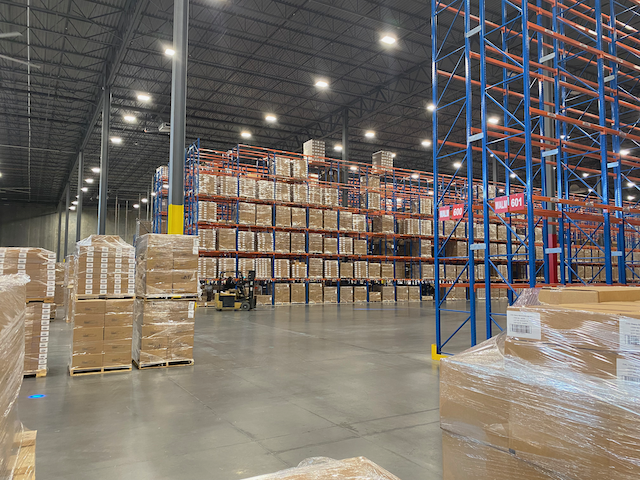
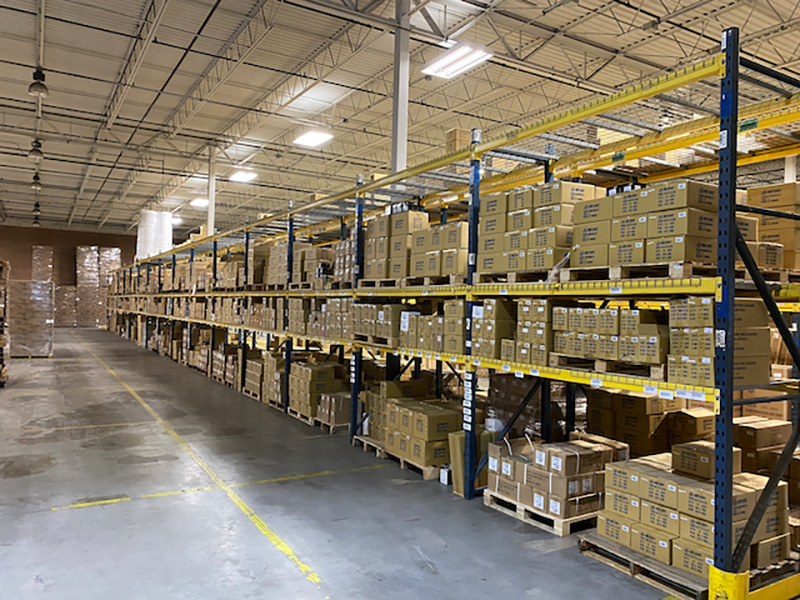
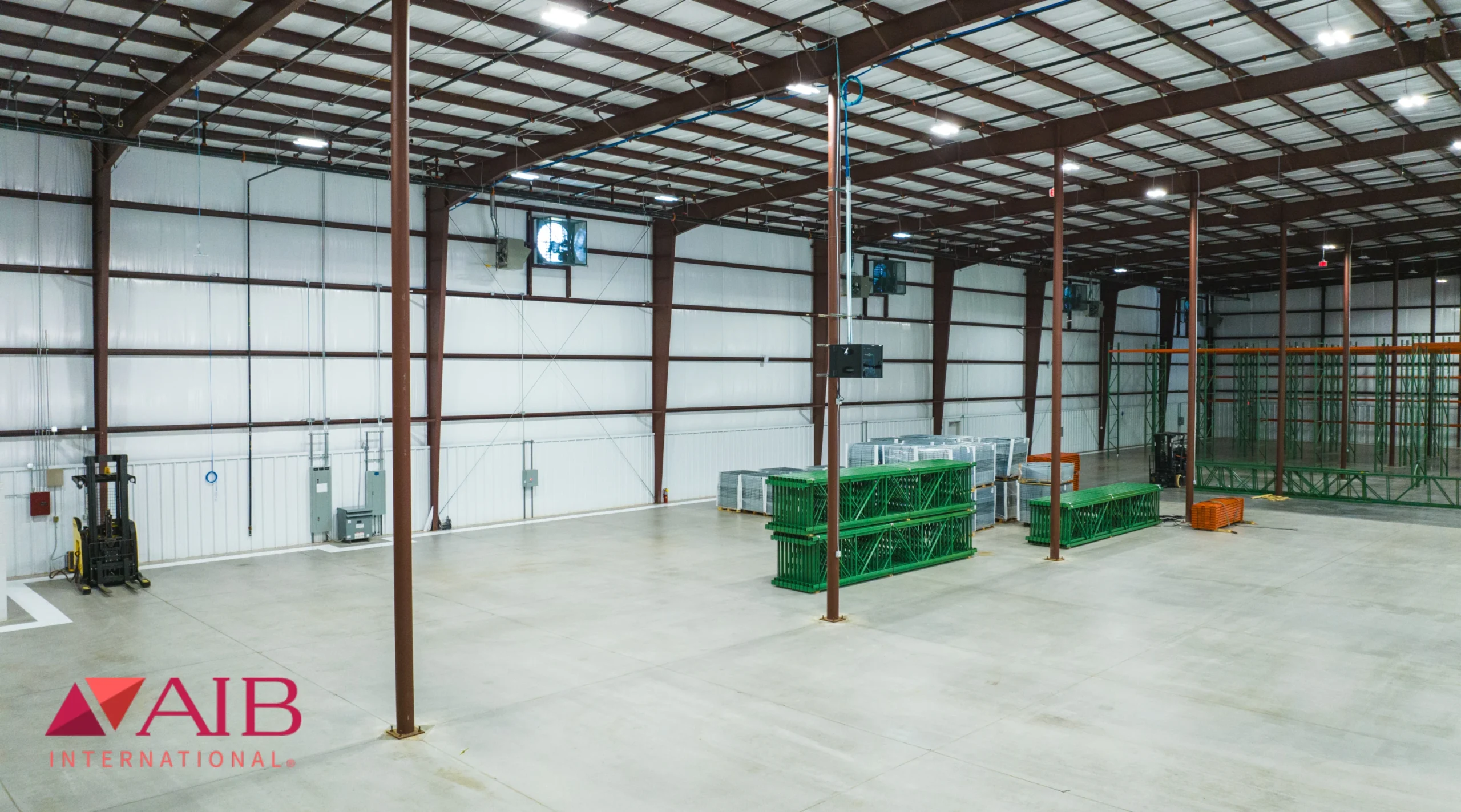
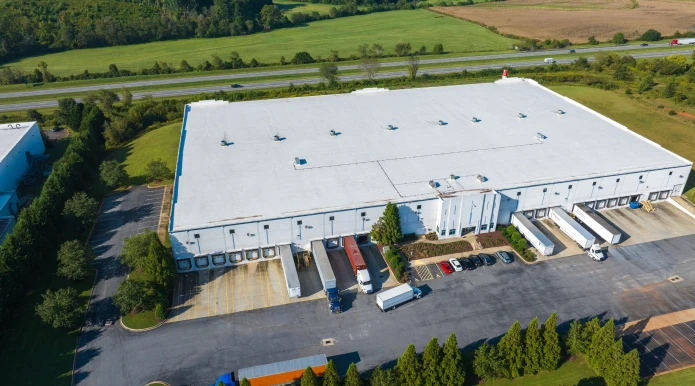
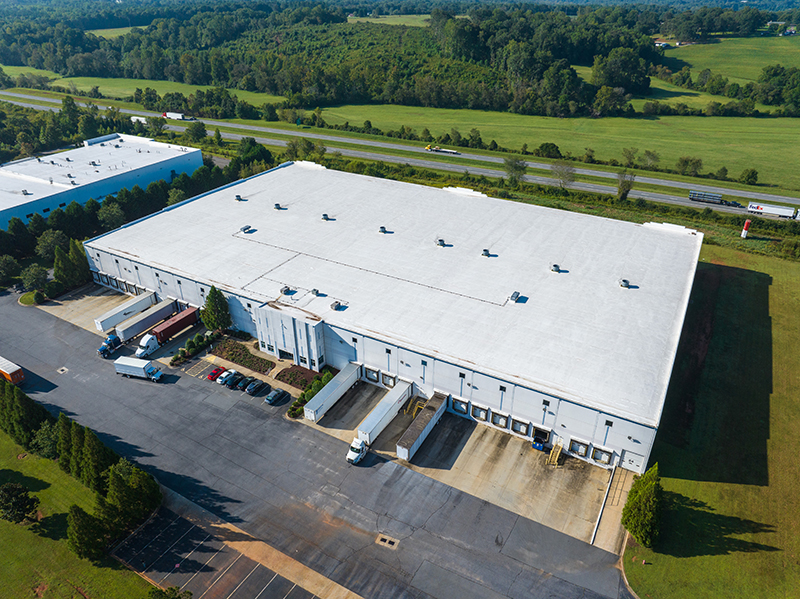
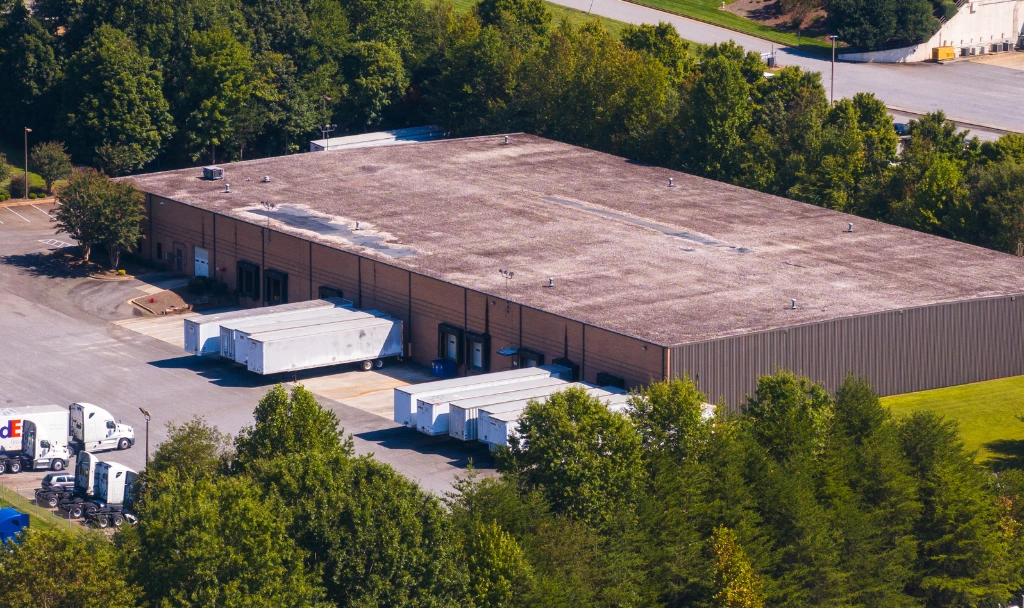
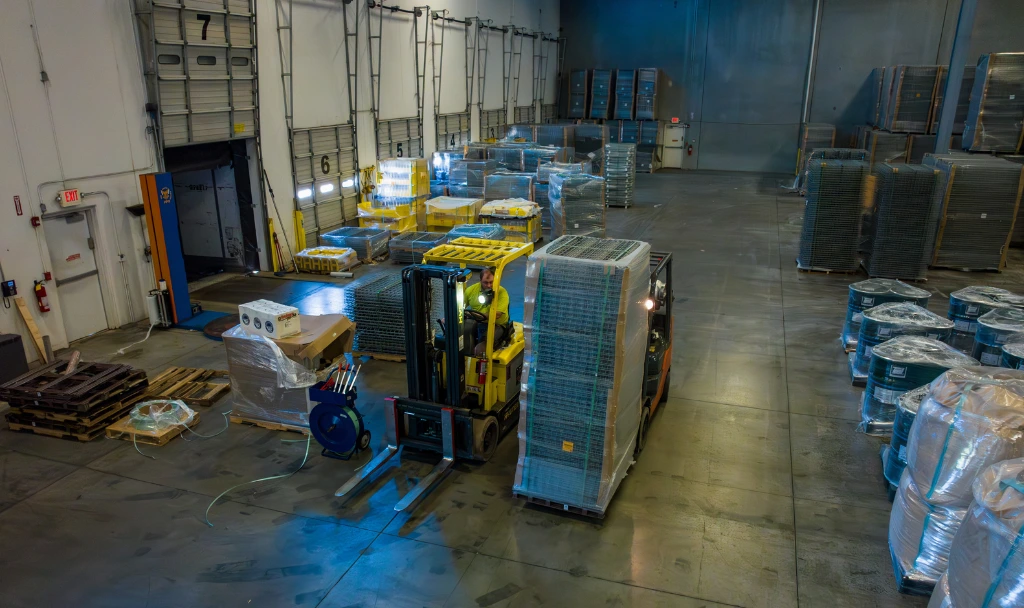
Food-grade warehousing in North Carolina now carries a federal security credential at Cargo Integrated Logistics. CTPAT, or the Customs Trade Partnership Against Terrorism, is the U.S. Customs and Border Protection program that vets companies against a published set of supply chain security requirements. CBP opened the program to third-party logistics providers for the first time through a pilot capped at ten asset-based participants nationally, and CIL was accepted into it.
Cargo Theft Losses Reached $725 Million in 2025
Cargo theft is why this matters to anyone moving freight through the Carolinas. Verisk CargoNet put 2025 losses at roughly $725 million across the U.S. and Canada, a 60% jump over the prior year, with the average theft costing $273,990. Incident counts held close to flat while the value of each hit climbed, which tells you the groups doing this have gotten selective about what they take. The method changed along with the numbers. Organized crews book loads online using stolen or fabricated carrier identities and send a driver who looks legitimate to a shipping dock. Paperwork gets signed, the load leaves, and hours pass before anyone knows. Verisk expects more of this through 2026, including groups that buy real motor carriers with clean load histories and operate behind them.
What CTPAT Certification Requires of a North Carolina Warehouse
Meeting CTPAT’s minimum security criteria took months of preparation across the Conover and Lincolnton facilities. Tractors and containers get a full visual inspection on arrival, including checks for the false floors and false walls smugglers build into equipment. Documentation is verified rather than accepted. Staff train on the procedures, and the procedures get audited. CIL’s 19-acre trailer yard was already fenced, lighted, and controlled through a single gate, which gave the certification work a running start.
What a CTPAT Certified 3PL Means for Shippers
CTPAT-certified shippers are the clearest beneficiaries. Companies in the program run internal compliance departments and hold everyone in their supply chain to the same standard, so a certified warehouse moves to the front of the list when they evaluate partners. Shippers outside the program gain no customs advantage from using a certified warehouse. What they get is a facility operating to a federal security standard, which counts for more every year that theft losses climb.
Food-Grade Warehousing on the I-40 Corridor
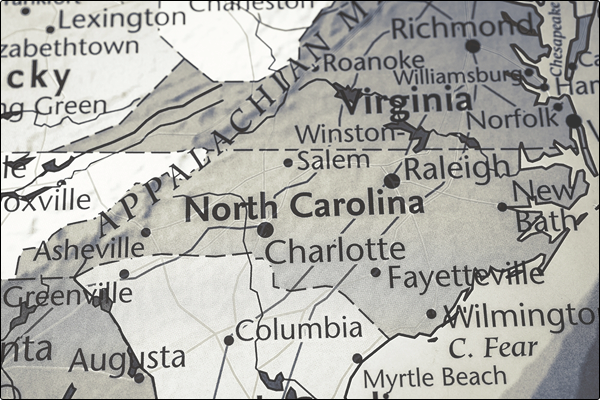
Conover and Lincolnton sit on the I-40 corridor with access to Charlotte and the wider Carolinas market. Shippers who want to walk through security requirements for inbound or outbound freight can reach the CIL team here.